Bitcoin vs. Real Estate: Threat or Investment Partner?
David Wilson ·
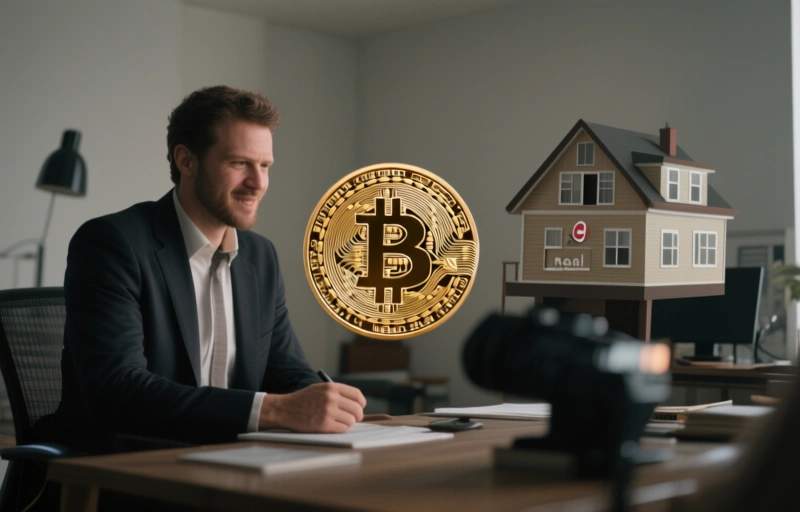
Bitcoin's volatility dominates headlines, making property investors wonder: is it a competitor for capital or a potential portfolio diversifier? We break down the real relationship between digital assets and real estate.
If you invest in property, you've probably noticed something shifting. Conversations that used to be strictly about interest rates and auction clearance rates now have a new guest at the table: Bitcoin. When the price of Bitcoin moves sharply—and let's be honest, it often does—it grabs headlines in a way few other assets can. That alone raises an uncomfortable question for any real estate investor. Is Bitcoin starting to compete for your investment dollars, or could it actually work alongside your property portfolio?
It's a conversation worth having, especially as the investment landscape gets more complex by the day. We're not just talking about different asset classes anymore. We're talking about fundamentally different philosophies of value. So, let's pull up a chair and break it down.
### Understanding the Investment Mindset
Real estate investing, at its core, is about tangible assets. You're buying bricks, mortar, land—something you can see, touch, and improve. The returns come from rental income, long-term appreciation, and the power of leverage through mortgages. It's a game of patience, research, and often, hands-on management.
Bitcoin, on the other hand, represents a digital, decentralized store of value. Its price is driven by adoption, network effects, scarcity (only 21 million will ever exist), and a hefty dose of market sentiment. It's volatile, operates 24/7, and requires a different kind of stomach. One feels solid and slow-moving; the other feels electric and unpredictable.
### Is Bitcoin Draining Capital from Real Estate?
This is the big fear, right? That hot money chasing the next 10x return will abandon stable neighborhoods for the wild west of crypto. In the short term, there's probably some truth to it. When Bitcoin is on a tear, it naturally attracts attention and capital. But here's the thing—most serious property investors aren't flipping houses with their crypto profits. Their strategies are usually separate.
The capital flows might be more about *new* investors choosing crypto over a down payment, rather than established landlords liquidating portfolios. It's less a direct threat and more a competing option for where to park new savings.
### The Case for a Complementary Relationship
Now, this is where it gets interesting. Instead of viewing them as rivals, what if we see them as partners in a diversified strategy? Consider these points:
- **Different Risk Profiles:** Real estate is generally a lower-volatility, income-generating asset. Bitcoin is a higher-risk, higher-potential-return speculative asset. Together, they can balance a portfolio.
- **Hedging Against Different Scenarios:** Some argue Bitcoin acts as a hedge against monetary inflation and traditional financial system risk—diversification away from the very system that real estate debt relies on.
- **A Liquidity Spectrum:** Property is famously illiquid. Selling takes time. Bitcoin can be sold in minutes. Holding some crypto could provide a strategic liquidity reserve for future property down payments or capital calls.
As one seasoned investor I know put it: *"My real estate builds my foundation. My Bitcoin is my optionality."*
### Practical Considerations for the Property Investor
So, you're intrigued but grounded in reality. How do you even approach this? First, don't bet the farm. If you dip a toe in, make it a small, allocated portion of your overall net worth—money you can truly afford to lose. Think of it as speculative research.
Second, keep your strategies separate. Don't take out a second mortgage on your rental property to buy crypto. That's blending risk in a dangerous way. Fund crypto investments from savings or other liquid assets.
Finally, do your own homework. Understand what you're buying. The crypto world is full of noise. Just like you wouldn't buy a triplex without inspecting it, don't buy Bitcoin without understanding the basics of blockchain and digital wallets.
At the end of the day, Bitcoin isn't making physical land disappear. Location, location, location still matters. But it is changing the financial ecosystem around all of our investments. The smart move isn't to ignore it or fear it, but to understand where it might fit—or not fit—within your own long-term plan for building wealth. The conversation has changed, and that's okay. It just means we all have more to think about.