GE Aerospace & MEPC Boost RSAF F110 Fleet Readiness
David Wilson ·
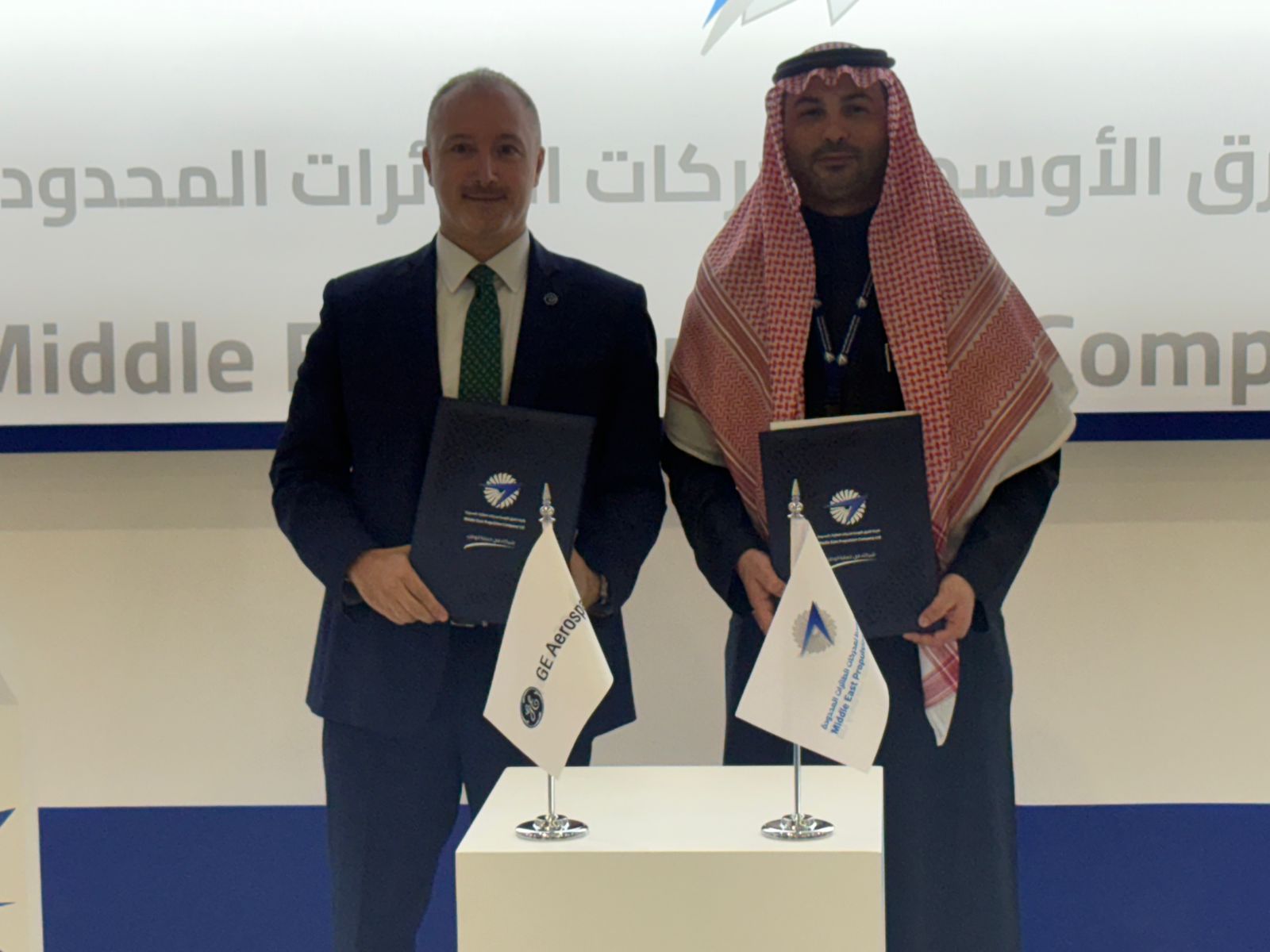
GE Aerospace and MEPC sign three new agreements to enhance Royal Saudi Air Force F110 fleet readiness through material support and in-country repair capabilities, marking Phase 3 of their decade-long partnership.
Let's talk about what's happening in aerospace maintenance. It's not just about fixing engines anymore. It's about building partnerships that last decades and ensuring fleets are ready when they're needed most.
That's exactly what GE Aerospace and the Middle East Propulsion Company (MEPC) are doing. They just signed three new agreements at the World Defense Show in Riyadh. These aren't just paperwork exercises. They're Phase 3 of a long-term plan that's been building for over ten years.
### What These Agreements Actually Mean
Think of it like this. You've got the Royal Saudi Air Force operating the largest F110 fleet outside the United States. Keeping those engines running isn't a simple task. It requires a steady flow of parts and expert maintenance right where the aircraft are based.
That's the core of these new deals. They're designed to enhance operational readiness by ensuring material support and comprehensive repair services stay available. It's about reducing downtime and keeping those critical missions on schedule.
Here's what the agreements specifically cover:
- **Material Support**: GE Aerospace will provide essential ENSIP kits (those are F110-129 parts) to MEPC
- **Repair & Overhaul**: Comprehensive services specifically for the RSAF's F110-129 engines
- **Regional Support**: Extending these critical capabilities to other F110 customers across the broader Middle East region
### Building In-Country Capabilities
This isn't just about shipping parts from the U.S. It's about building sustainable capabilities within Saudi Arabia itself. That's a key part of Saudi Vision 2030 - developing national industrial expertise.
Mohammed Alnawkhani, Managing Director at MEPC, put it well. He said these agreements represent "the next phase of our strategic partnership" and "a major step forward in enhancing readiness." He emphasized they're expanding in-Kingdom sustainment capabilities and ensuring long-term material availability.
Salim Mousallam from GE Aerospace echoed that sentiment. "Our enduring partnership with MEPC is a testament to our shared vision," he noted. "These agreements will significantly increase engine availability, streamline MRO processes, and directly support the RSAF's critical missions."
### The Bigger Picture
When you step back, this is about more than just three contracts. It's about a partnership that's been growing for over a decade. GE Aerospace and MEPC have already established F110-129 and T700 repair capabilities at MEPC facilities.
Looking even broader, GE Aerospace has been partnering with Saudi Arabia's aerospace and defense sector for over 40 years. They currently power Saudi Arabia's four largest commercial carriers. That's significant local presence and commitment.
What does all this mean for professionals watching the industry? It shows how strategic partnerships evolve. They start with basic support, build local capabilities, and eventually create self-sustaining ecosystems. That's the real value - not just fixing today's engines, but ensuring tomorrow's readiness.
The focus on the F110-129 engine is particularly important. This engine powers key defense aircraft, making its availability crucial for national security. By ensuring parts and expertise are available locally, response times improve dramatically.
It's a model other regions might watch closely. Building local maintenance, repair, and overhaul (MRO) capabilities reduces dependency on distant supply chains. In an industry where every hour of downtime matters, that local expertise becomes a strategic advantage.
So next time you hear about defense agreements, look beyond the headline. Look for the capacity building. Look for the local investment. That's where real, lasting readiness gets built - one partnership at a time.