Suburban Makeovers: What Urban Shifts Mean for Your Property
David Wilson ·
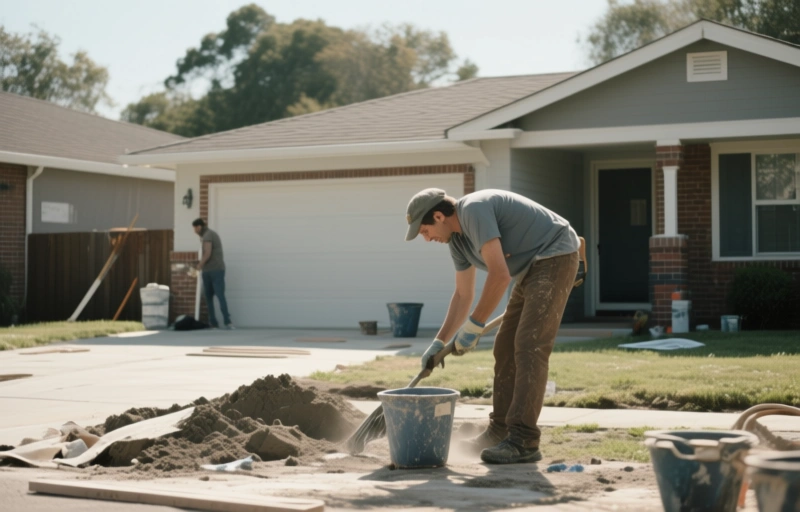
American suburbs are transforming with new density and 20-minute neighborhoods. This urban makeover creates both opportunities and challenges for homeowners and property investors navigating these changes.
You've probably noticed it. That quiet suburb down the road suddenly has a new apartment building going up. The old shopping strip is getting a fresh coat of paint and some trendy cafes. It's not just your imagination—many American suburbs are getting a serious urban makeover, and it's changing the game for homeowners and investors alike.
This transformation is driven by a few key factors. Cities are rezoning areas to allow for more density. Developers are building those "missing middle" housing types—think townhomes, duplexes, and low-rise apartments. And there's a big push to create what planners call "20-minute neighborhoods."
### What's a 20-Minute Neighborhood Anyway?
It's a simple but powerful idea. A place where you can meet most of your daily needs within a 20-minute walk from your front door. We're talking about groceries, schools, parks, maybe a doctor's office or a coffee shop. It's about convenience and community, reducing the need to hop in the car for every little errand. For a lot of folks, that's a huge lifestyle upgrade.
### The Rise of the 'Missing Middle'
You keep hearing this term "missing middle" in urban planning circles. What does it actually mean? It refers to those housing types that sit between a single-family home and a large apartment tower. They've been "missing" from many American suburbs for decades due to strict zoning laws.
- Townhomes and row houses
- Duplexes and triplexes
- Small apartment buildings (like 4-12 units)
- Courtyard apartments and bungalow courts
These options provide more affordable entry points into neighborhoods and create a more diverse community. They're a big part of the suburban evolution we're seeing.
### Opportunities Knocking on Your Door
So what does all this mean for you? If you own a home in one of these transforming areas, you might be sitting on a potential goldmine. Increased density often leads to rising property values over time. New amenities make your neighborhood more desirable. There's a quote from a veteran real estate analyst I always think about: "The most predictable wealth generator in real estate is being in the path of progress." This suburban densification is that progress.
But it's not just about cashing out. Maybe you want to stay put and enjoy the new walkable amenities. Or perhaps you're an investor looking at the long-term rental potential in these evolving markets. The key is to understand the specific plans for your area.
### Navigating the Changes Smartly
Change can feel unsettling, I get it. More traffic? Different neighbors? Altered views? These are valid concerns. The smart move is to get informed. Attend those local planning meetings—even if just online. Understand the timeline for projects in your zip code. Look at the official community plans for your city or county.
Ask yourself some honest questions. Is this transformation aligning with how I want to live in 5 or 10 years? Does it create opportunities I hadn't considered before? Sometimes the best investment isn't moving somewhere new, but recognizing the potential right where you are.
The suburban landscape isn't what it was twenty years ago, and it won't be the same twenty years from now. These urban makeovers represent a fundamental shift in how we think about where we live. They're blending the space and quiet of suburbia with the convenience and connection of city living. Whether you're looking at your home as a place to put down roots or as part of your financial future, understanding this shift is one of the smartest things you can do right now.